







Search Results for: export volume
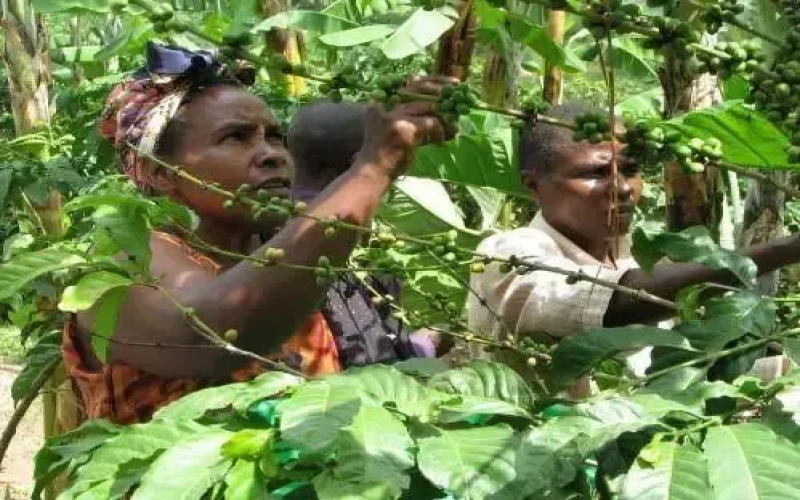
Uganda's Coffee Exports Rise in Both Volume and Price, China-Africa Cooperation Boosts New Opportunities for Trade with China
Uganda, as an important coffee-producing country in Africa, has recently delivered impressive export results. In the 2023/24 fiscal year, the country's total coffee exports exceeded 6.13 million bags, with export value reaching US$1.144 billion, representing year-on-year growth of 6.33% and 35.29% respectively. This growth has benefited both from rising international coffee prices and from the EU's upcoming deforestation-free regulation and tight supply from Vietnam. At the same time, China-Uganda agricultural cooperation continues to deepen, and the Forum on China-Africa Cooperation is expected to open a broader Chinese market for Ugandan coffee. This article will review the latest data on Uganda's coffee exports, variety performance, and future prospects, and bring relevant recommendations from Front Street Coffee. [more…]
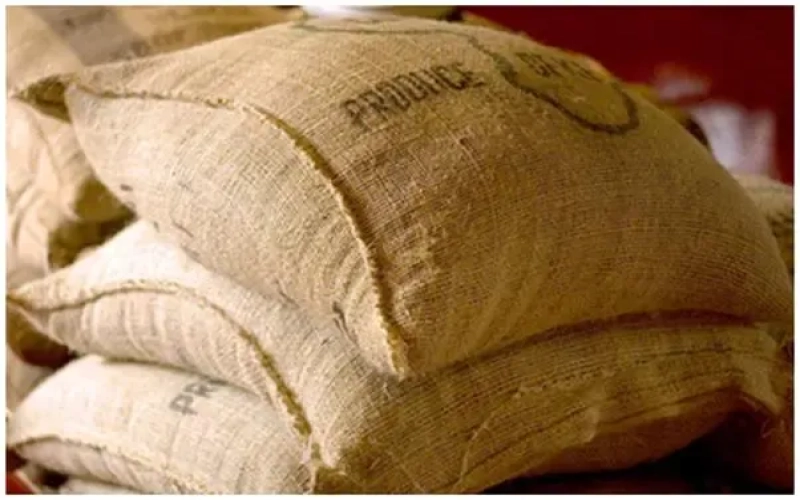
Under drought and durian pressure, Vietnam's coffee production declines, export volume drops by 10% but prices soar
As a major global coffee producer, Vietnam faced a setback of declining export volumes in the first half of 2024. Data shows that coffee export volume fell by 10.5% year-on-year in the first six months to 902,000 tons, but thanks to a 50.4% surge in average export prices, total export value instead climbed to US$3.22 billion, an increase of 34.6%. Behind the production decline are both irreversible damage to coffee trees caused by drought and competitive pressure from cash crops such as durian and passion fruit, with large numbers of farmers switching to more profitable fruit trees, leading to a continued shrinkage of coffee-growing area. Although coffee prices have risen to high levels, they are still not attractive compared with the profits from crops such as durian. At the same time, demand for Vietnamese coffee in the South Korean market is growing, bringing a glimmer of warmth to the export outlook. [more…]
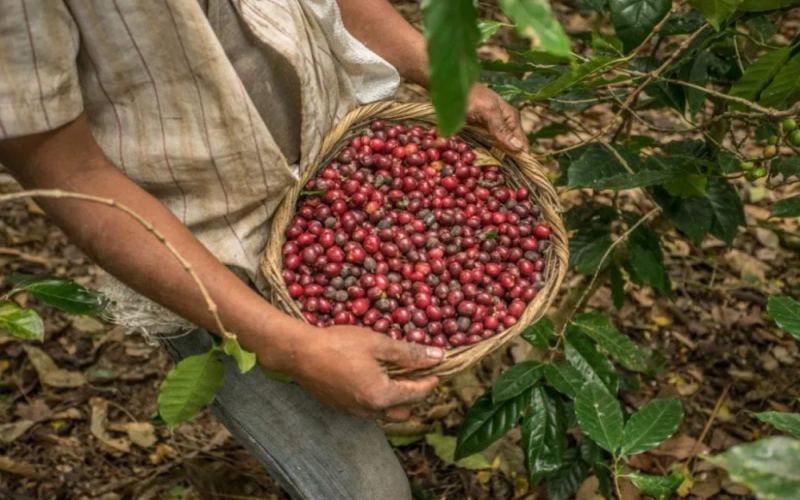
Honduras coffee export volume rises while prices fall, approval for direct supply to China may become a new growth point
Honduras, as the largest coffee producer in Central America, has recently presented a complex situation of rebounding export volumes but declining revenue. In February 2024, Arabica sales increased by 26% year-on-year, yet export earnings fell by 20% in the first four months of this harvest season. Against the backdrop of traditional buyers being concentrated in seven countries across Europe, the Americas, and Asia, Honduras is actively seeking market diversification. As China allows direct imports of its green coffee beans and more companies obtain certification for exports to China, this Central American country's coffee industry has welcomed new opportunities. The expansion of cafes in Chinese cities and rising demand among young consumers have injected strong momentum into Honduras's coffee exports. [more…]
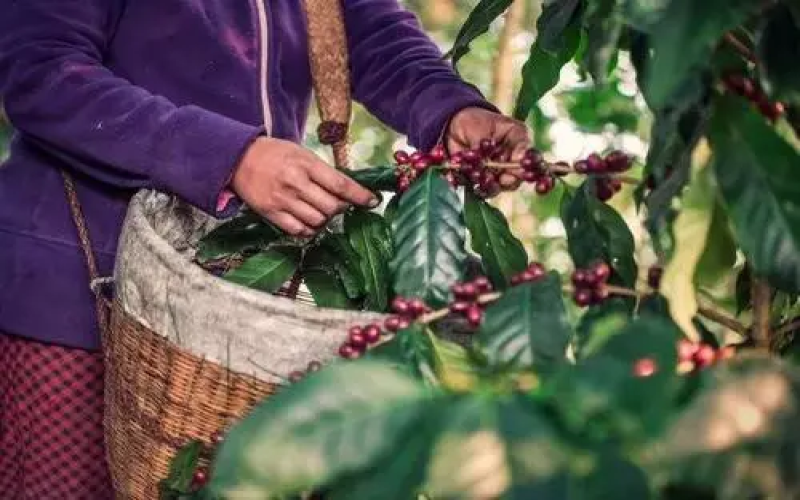
Under the dual impact of climate shocks and market downturn, El Salvador's coffee export volume and value have plummeted, with Chinese demand emerging as a potential bright spot.
Due to a combination of extreme weather, falling coffee futures prices and labor shortages, El Salvador's coffee bean export volume and export value both fell sharply in the first four months of the 2023/24 harvest season. According to a report by the Salvadoran Coffee Institute, export volume fell by nearly 47% year-on-year, export value dropped by more than 50%, and in January alone export value plunged by more than 90%. The United States remains the largest buyer, but Italy, Saudi Arabia and other countries follow closely behind in share. The decline in production is directly related to drought and extreme rainfall caused by the El Niño phenomenon. At the same time, El Salvador's coffee exports to China are on the rise, with 13 trading companies having completed registration in China, and the industry is optimistic about the potential of the Chinese market. Front Street Coffee continues to follow developments in the producing regions and bring frontline news to enthusiasts. [more…]
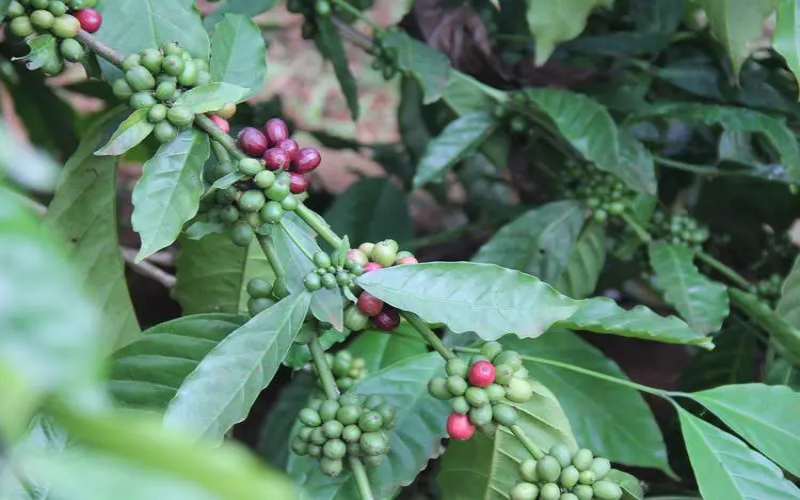
Reports on Coffee Production and Exports in Vietnam and Brazil Are Out, Data from Multiple Countries Reveal New Trends in the Global Coffee Market
Recent coffee industry reports released by multiple countries show that the global coffee market is undergoing a series of significant changes. Vietnam's coffee export volume in January hit a record monthly high, and despite drought causing expectations of lower production, export performance remained strong. Rain in Brazil's main producing regions has benefited crop growth, and production for the new year is expected to increase year-on-year. At the same time, the Red Sea crisis continues to affect trade routes, prompting some traders to turn to Brazil to purchase robusta coffee beans. Arabica prices have remained stable due to steady exports from several Central American countries. Colombia's coffee production has risen sharply, becoming a bright spot in the Americas market. This article will review production and export data from major producing regions and analyze the current supply-demand landscape and future direction of the coffee market. [more…]
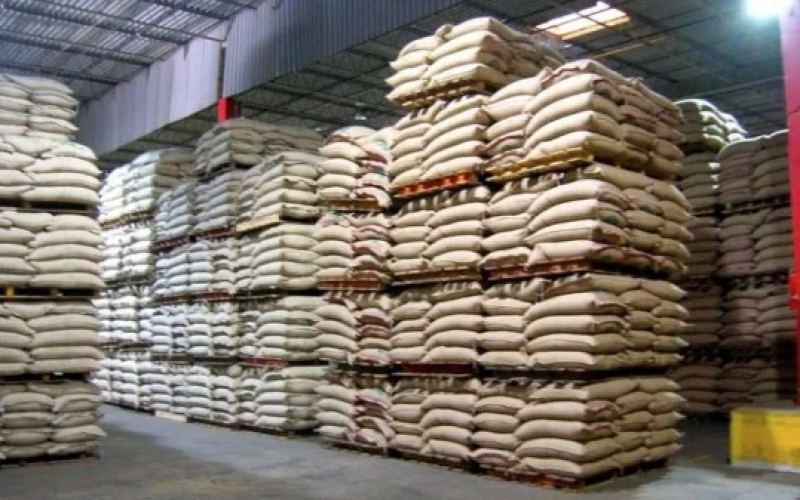
The export of Ugandan coffee has decreased! The government increases funds to increase production.
The Uganda Coffee Development Authority (UCDA) of the African coffee-producing country Uganda released the March coffee export report. The volume of Ugandan coffee exports was 329,686 bags of 60 kilograms, 246.8 billion shillings (64.74 million US do [more…]
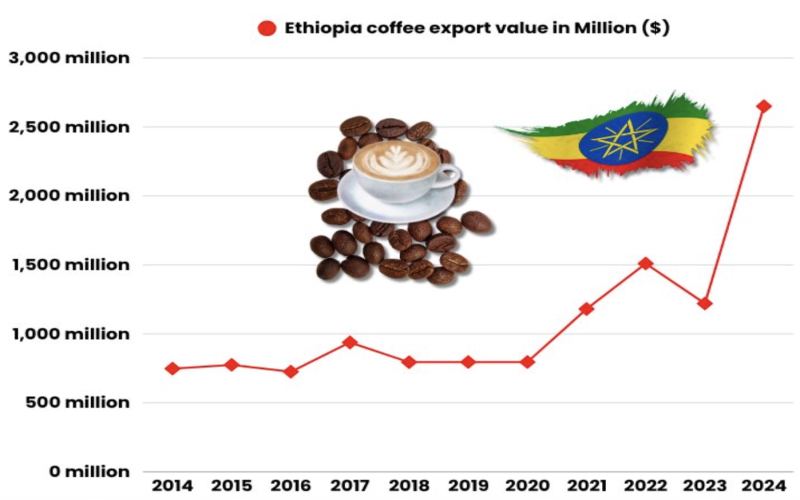
2024-2025 Ethiopia Coffee Export Report: Ethiopia's Main Coffee Export Destinations and Production
Ethiopia is not only the birthplace of Arabica coffee but also one of the world's major suppliers of high-quality coffee beans. Coffee occupies a central position in Ethiopia's economy, culture, and trade. In 2024-2025, Ethiopia's coffee export volume and export revenue both reached historic highs, marking [more…]

Vietnamese coffee production cuts drive up the market, prices are likely to remain firm in 2024
Latest data from the Vietnam Coffee and Cocoa Association (Vicofa) shows that in 2023, Vietnam's domestic coffee prices climbed to 70,000 Vietnamese dong per kilogram (about 207 yuan), hitting a multi-year high. Although export volume fell 4.5% year-on-year to 166.2 tons (about 27.7 million bags), driven by prices, export revenue rose 3.4% to US$4.08 billion, the highest level on record. Supply shortages and quality improvements are the two major drivers of the price increase. However, drought conditions and a shift in planting structure are weakening future production prospects. Vicofa expects production to decline by 10% in the 2023~2024 season, and coffee prices are likely to remain high. [more…]
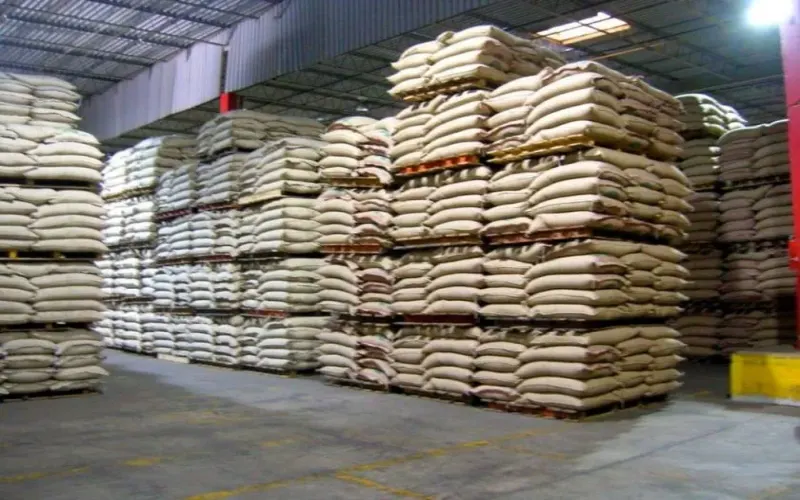
Uganda's coffee exports fell by 30% in March; the government injects funds to boost production and targets the Chinese market.
The latest monthly report from the Uganda Coffee Development Authority shows that coffee exports in March amounted to 329,686 60-kg bags, generating revenue of 246.8 billion shillings (approximately US$64.74 million), a marked decline from February, with a year-on-year drop of 32.4% in volume and a 9.45% decrease in revenue. Heavy rains triggered by El Niño battered the main harvest season, causing cherry drop and reduced yields. Nevertheless, on a coffee-year basis, total exports still reached 5.9 million bags, with revenue up 16.91% year on year. Robusta prices rose amid tight supply from Vietnam, and Uganda benefited as a result. The government is seeking funding to establish a traceability system and improve mechanization, while the president has set a target of 20 million bags by 2025. Uganda is also bullish on China's 15%-20% annual growth in coffee consumption and hopes to expand exports to China. [more…]
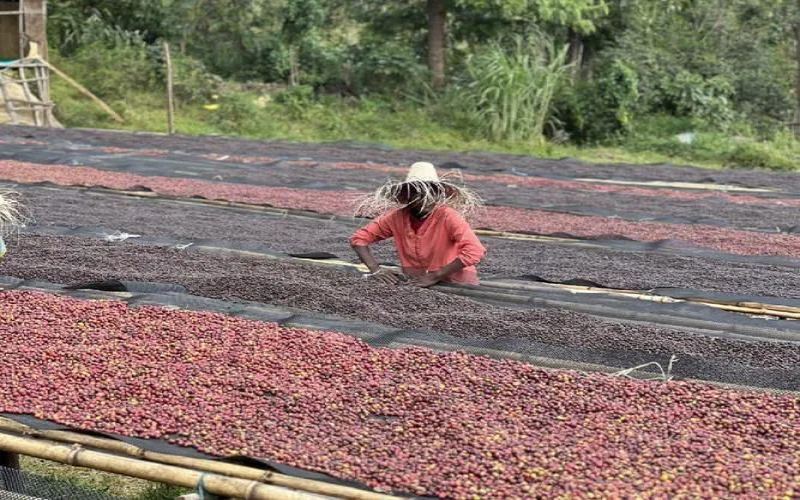
Ethiopia's October coffee export revenue soared to $155 million, driven by growth in both production and prices
Ethiopia's coffee industry delivered an impressive report card in October: export revenue surged 66% year-on-year to US$155.53 million, with export volumes exceeding 35,000 tonnes. High global coffee prices combined with increased production drove this growth, with cumulative export volumes from July to October rising 71% year-on-year. However, the ongoing conflict in Amhara State and disruptions to Red Sea shipping are putting pressure on this East African coffee powerhouse in the form of rising prices and mounting transport costs. This article reviews the latest data, conflict developments, and their potential impact on the coffee industry. [more…]
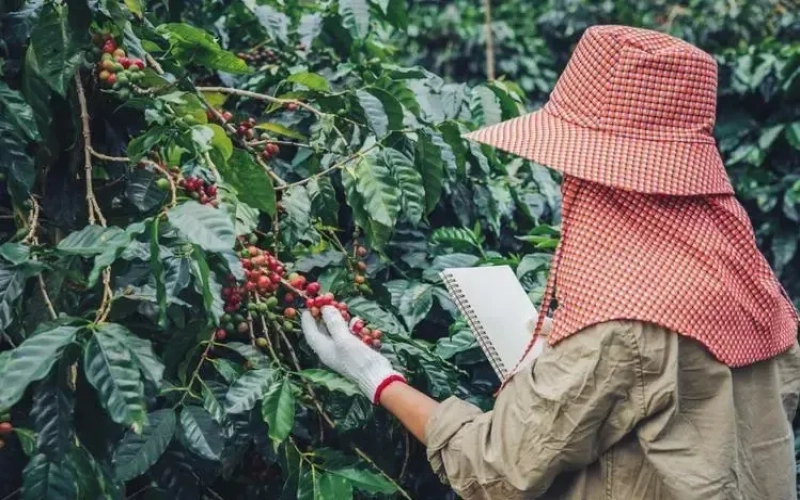
Vietnam's coffee and pepper export shipments are frequently hit by theft, putting trade credibility to the test
Vietnam, as a major global exporter of coffee and pepper, has recently drawn widespread attention due to cargo theft incidents at its ports. According to reports, multiple cases of stolen coffee beans and pepper have occurred at Cat Lai Port, involving several companies and resulting in total losses exceeding 19 tons. Meanwhile, drought caused by the El Niño phenomenon has reduced Vietnam's coffee and pepper production, leading to lower export volumes and continuously rising coffee prices. Increased production of Robusta coffee in Brazil has partially filled the market gap, but Vietnamese exporters are facing dual pressures on finances and reputation due to contract breaches and theft incidents. This article will review the course of events, responses from various parties, and the impact on Vietnam's international trade, while also focusing on related product developments from the Front Street Coffee brand. [more…]
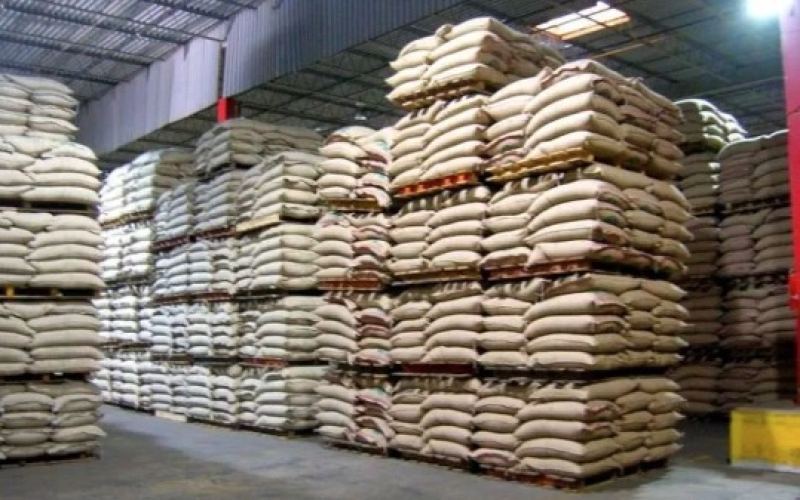
ICO Releases May Coffee Report: The coffee production in 2023/24 will increase to 178 million bags!
Recently, the International Coffee Organization (ICO) released the monthly report of the global coffee market in May, showing that the average price of the comprehensive index is 208.38 cents/pound, which has slightly decreased by 3.9% compared to th [more…]
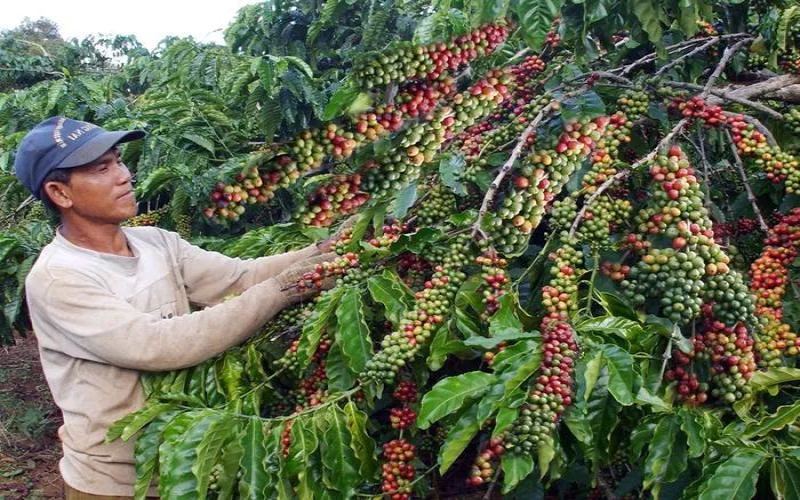
Vietnam's coffee export value may exceed 5.5 billion USD for the first time, with prices soaring by 90% but production concerns emerging.
In 2024, Vietnam's coffee industry experienced an unusual market trend: exports reached US$4.84 billion in the first 11 months, and the full-year total is expected to set a record at US$5.5 billion. Although export volume fell by more than 20%, the average price doubled, driving total value upward against the trend. Domestic green bean prices have risen to VND 125,000/kg, nearly double the export price at the start of the year. The EU remains the largest buyer, while China's market share is steadily increasing. However, continued rainfall slowing harvesting, traders losing out on futures operations, and farmers switching to durian are adding uncertainty to future supply. [more…]
Indonesian Coffee Production Expected to Rebound to 2.4 Million Bags: Analysis of Export and Domestic Demand Trends
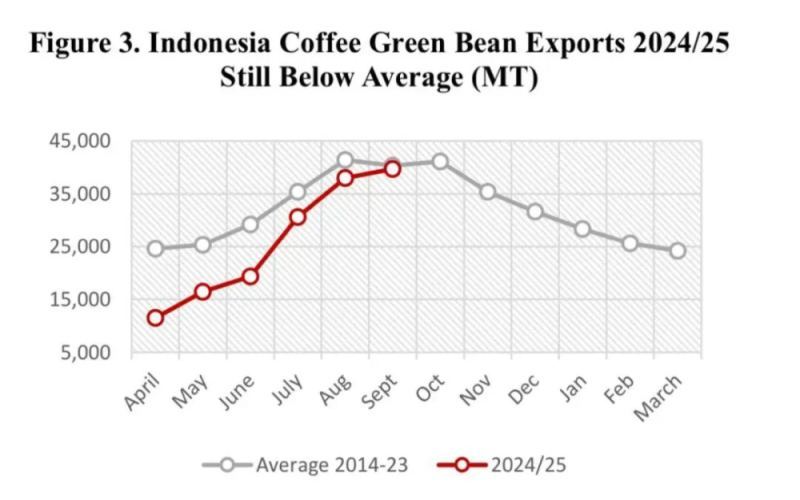
The latest report from the United States Department of Agriculture shows that Indonesia's total coffee production for 2024/25 is expected to increase by about 2.4 million bags (60 kg/bag) compared with the previous year, but the overall recovery remains below expectations, with production revised down by 8% year on year. Affected by strong domestic demand, the volume available for export is expected to fall by 12% to 5.2 million bags, though this is still 18% higher than exports in 2023/24. Recovery has been slow in the Robusta-producing areas of southern Sumatra, while the Arabica-producing areas of northern Lintong have suffered heavy rainfall and secondary disasters. Domestic purchasing power is weak, and consumption growth is less than 1%. The European Union had increased purchasing because of the EUDR regulations, but later postponed implementation for one year. Production in Vietnam and Brazil is unstable, and coffee prices remain high. Front Street Coffee will continue to monitor developments in producing regions. [more…]
Brazil's April coffee exports surged 53.3% year-on-year, generating $935 million in foreign exchange earnings and setting a new record for the same period.
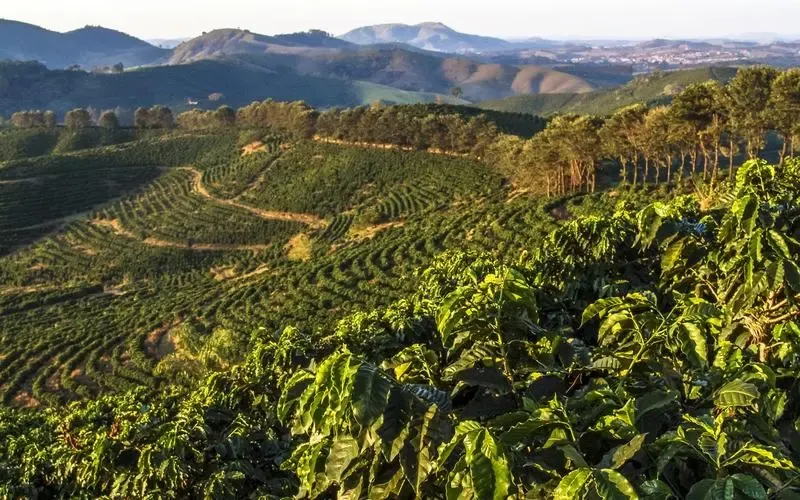
Latest data from the Brazil Specialty Coffee Association (Cecafe) shows that Brazil's coffee exports performed strongly in April this year, with a total of 4.222 million 60-kg bags exported, up 53.3% year on year, setting a record high for that month and generating US$935.3 million in foreign exchange earnings, an increase of 52.6% year on year. In the first four months of this year, cumulative exports reached 16.242 million bags, with revenue of US$3.444 billion, both setting all-time records. Arabica still accounted for 76.77% of total exports, while robusta export volume rose 528% year on year. Tight global supply, reduced production in Vietnam and the Red Sea crisis pushed up market demand and coffee prices. However, severe delays at major ports such as Santos, combined with the risk of frost in the south, mean subsequent exports still face the dual challenges of logistics and weather. [more…]
Vietnamese Robusta Price Surpasses Arabica for the First Time, High Coffee Market Prices May Persist
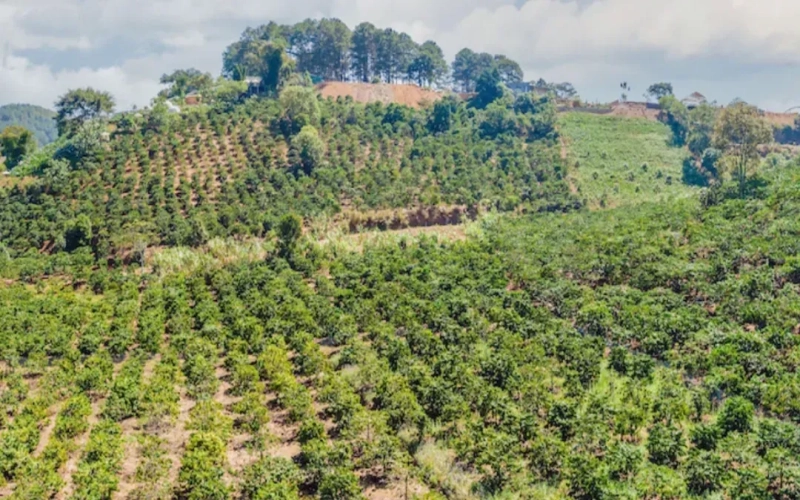
Vietnam, as the world's largest producer of Robusta coffee, has recently seen a rare phenomenon—domestic Robusta prices have actually surpassed Arabica for the first time in nearly 50 years. Affected by multiple factors including high temperatures and drought, reduced production, and tight global supply, Vietnam's coffee export prices have continued to climb, with the average export price in May surging 63.6% year-on-year. At the same time, Brazil's new-season Robusta harvest is looking good, which may bring some relief to the persistently rising prices. This article will provide a detailed analysis of price trends, supply and demand changes, and future expectations in the Vietnamese coffee market. [more…]
EU Deforestation Regulation Implementation Delayed, Kenyan Coffee Exporters Still Face Mounting Challenges
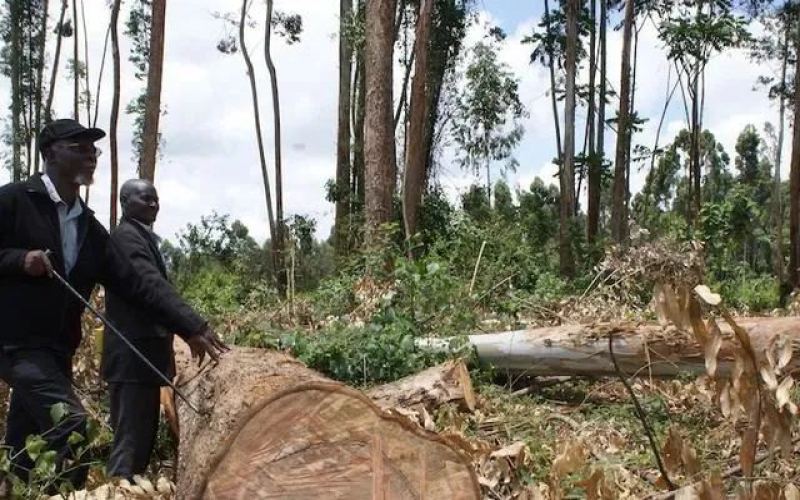
The European Parliament recently voted to postpone the implementation date of the EU Deforestation Regulation (EUDR) to December 2025, giving Kenyan coffee exporters an extra year of buffer time to adapt to the new rules. However, many exporters remain deeply worried, believing that under current conditions it will be very difficult to meet the EU's strict requirements. The EU is one of the most important overseas markets for Kenyan coffee, accounting for more than 20% of its total exports. Yet with Kenya's fragmented smallholder farmers, underprepared cooperatives, high compliance costs, and multiple pressures including stalled reforms, climate-related production declines, the Red Sea crisis, and port congestion, the outlook for this East African coffee-producing country is full of uncertainty. [more…]
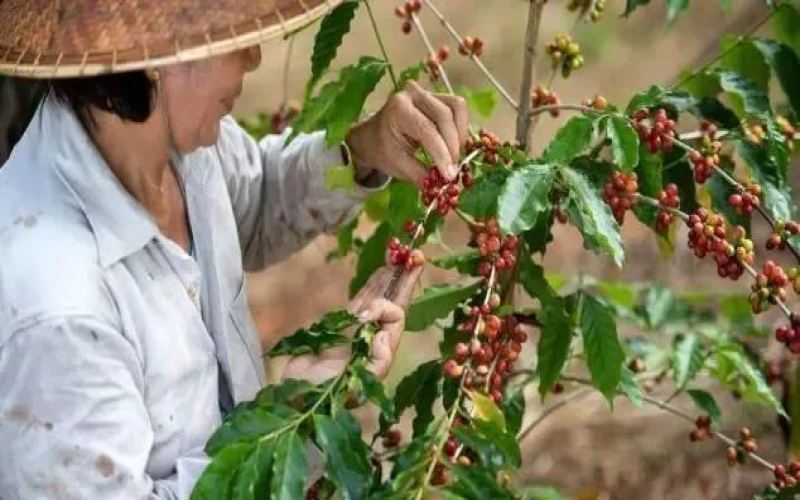
As coffee prices rise, Nestlé ramps up a $100 million expansion at its Tri An factory in Vietnam.
Global coffee prices remain elevated, and although Vietnam, as a key producing region, has seen its domestic green coffee quotes retreat slightly from earlier highs, they remain at relatively high levels. Meanwhile, Vietnam's coffee exports in 2023 showed a trend of lower volumes but higher values, with total export value hitting a record high. In response to growing market demand, Nestlé announced an additional US$100 million investment in its Tri An coffee factory in Dong Nai Province, Vietnam, to expand production capacity. Behind this decision are both expectations of a recovery in coffee consumption demand and supply-side disruptions driven by weather factors and the Red Sea shipping crisis. This article will review recent coffee price trends, Vietnam's export data, Nestlé's layout in Vietnam, and the multiple factors affecting market supply and demand. [more…]
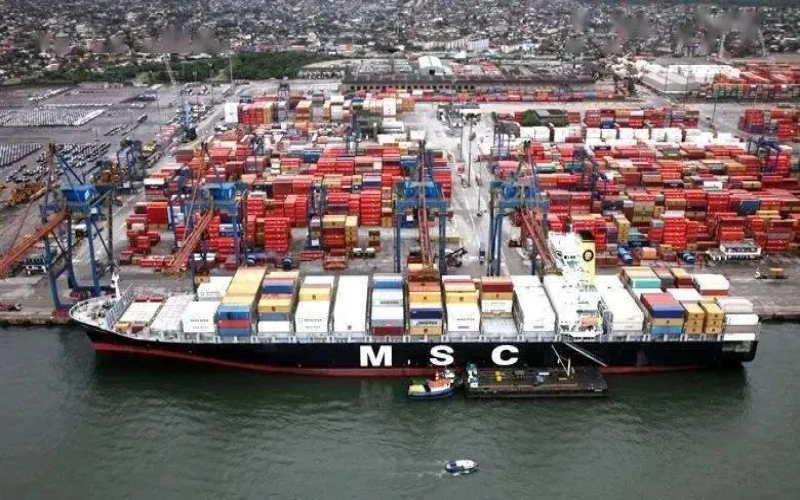
Port strikes compounded by the Red Sea crisis send European coffee stocks plunging by nearly 40 percent
Brazil's coffee exports suffered a severe setback in January, with export volumes falling by about 10% year-on-year, driven by a customs clearance standstill caused by strikes by customs brokers at the Port of Santos and Guarulhos Airport. At the same time, coffee stocks at major European ports are rapidly dwindling, with inventories in December 2023 down 37.9% from the start of the year. The pressure of the EU Deforestation Regulation transition period combined with the Red Sea shipping crisis is creating a compounding effect, prompting traders to scale back imports, container freight rates on Asia-Europe routes have soared by 150%, and coffee deliveries from Asian producing regions are facing delays of up to three weeks. Multiple factors are reshaping the global coffee trade landscape, and supply chain pressures are unlikely to ease in the short term. [more…]
A Comprehensive Analysis of Ethiopian Coffee Plantation Distribution and the Flavor Characteristics of Yirgacheffe
Ethiopia, as the birthplace of coffee, enjoys exceptional natural conditions and a long-standing cultivation tradition. This article will guide you through an in-depth understanding of Ethiopia's coffee-growing regions, cultivation models, processing methods, grading systems, and export overview, with a special focus on the flavor characteristics of renowned coffees such as Yirgacheffe. Whether you are a coffee enthusiast or a professional in the industry, you will gain comprehensive knowledge about Ethiopian coffee. The many Ethiopian beans recommended by Front Street Coffee come precisely from these high-quality growing regions. [more…]